10 Items for Your Site Due Diligence Checklist
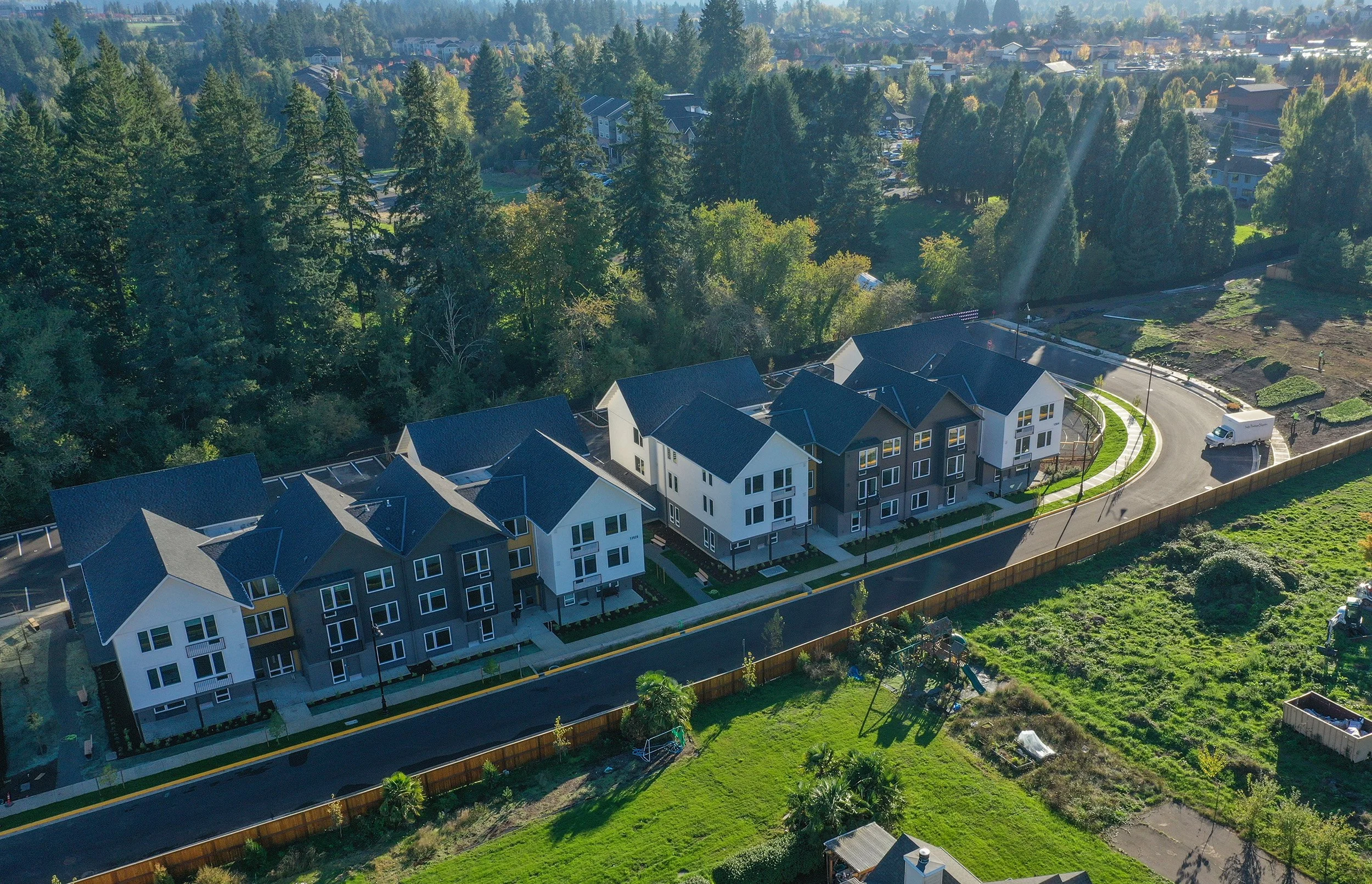
You’ve identified a potential site for an affordable housing project, and you know the community you want to serve. What steps should you take to find out whether the site is suitable for your envisioned project? What information do you need, and when do you need it, to avoid roadblocks and delays?
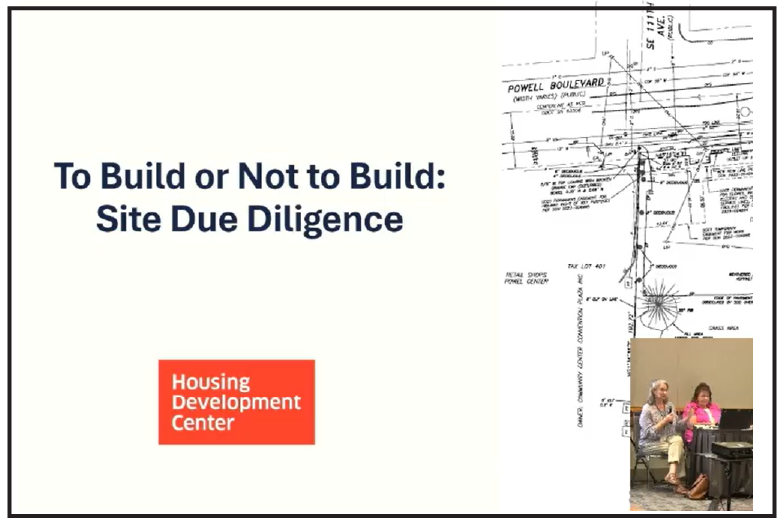
Here’s an abbreviated checklist from the construction management experts at HDC. (It doesn’t cover every issue you need to pay attention to, but it gives you an overview of the site due diligence process.) Check out our team’s full presentation on this topic, featuring Julie Proksch, Debbie Page, Lynn Lindgren, and guests Trevor Cheyne of WFG National Title Insurance Company and Victoria Bennett of Evren Northwest. Recorded at the Housing Oregon conference, it features more tips, case studies, and audience questions and answers.
1. Walk your site and neighborhood.
Know what’s nearby. Is there accessible transportation, commercial amenities, schools, and parks for the property’s future residents? Are there trees, sheds, or fences on a neighbor’s property that may be encroaching on your property line?
2. Gather your partners.
Expert consultants are critical to understanding your site, its limitations, and its risks. Key team members include a title consultant, an environmental engineer, and a surveyor. We strongly recommend identifying your general contractor and architect as early as possible, as they can each provide essential advice, too.
3. Identify which jurisdictions have oversight.
Local and state zoning and transportation departments have different sets of rules. Starting conversations early with jurisdiction representatives will help uncover unique issues and will build relationships to address tricky challenges later in the project.
4. Learn about the property’s zoning requirements.
How tall can your building be, how much green space do you need to provide, how many units can be built on the site, what are the parking requirements?
5. Consider other issues specific to your property.
What are the site’s access issues, and how will garbage be collected and removed? Can the below-grade soils bear the proposed building? Is the property in a flood zone, does it have a wetland delineation, and are there any noise issues or historic resources that need to be addressed with the State Historic Preservation Office (SHPO)?
6. Get a title report and survey.
These reports will tell you about property easements, property dedications, whether utilities have been brought to the site, and whether there are any boundary issues or existing encumbrances that need to be addressed before the project can be built.
7. Get a Phase I environmental survey.
Are there any underground storage tanks, contaminated soil, or hazardous materials that must be tested for and mitigated?
8. Be aware of federal requirements.
If the project is expected to use HUD funds or a congressional funding allocation, a NEPA review will need to be completed. Approval of a NEPA application can take anywhere from a few months to over a year.
9. Reach out early to the neighboring community.
Meet with property neighbors and the area neighborhood association as soon as possible. Demystifying your plan for the property will alleviate many of their potential concerns.
10. Know what you need to know—and when you need to know it.
HDC and your team of consultants can help you understand when and how to invest effort and funds in deeper investigations.
Need help with a site feasibility study? Contact our team!