12 Things We Are Grateful For
It’s our annual tradition: slowing down to reflect on the joyous events and milestones of the past year. The good stuff deserves our attention and gratitude, especially at times when the bad stuff can’t be ignored. Here are twelve reasons we’re thankful right now.
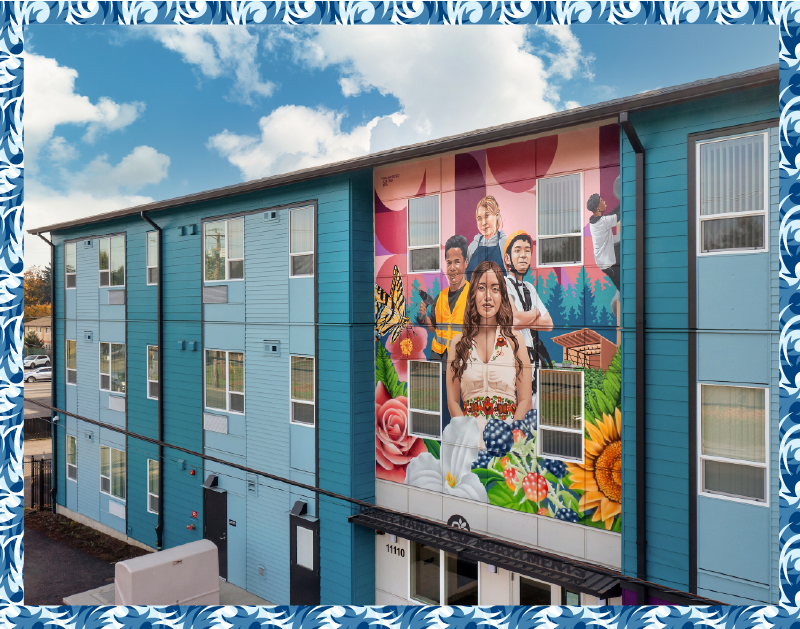
Berry Ranch Apartments. Photo by Brian Davies.
The Berry Ranch Apartments delivered deeply affordable homes to Lents.
The Berry Ranch Apartments opened this fall, bringing service-enhanced homes to residents at risk of displacement in outer southeast Portland’s Lents neighborhood. The 50-unit development provides accessible living for people with physical, intellectual, and developmental disabilities (clients of Community Vision) and offers family-sized apartments for households served by ROSE Community Development’s Baby Booster Initiative. This project overcame unique hurdles to reach the finish line, supported by many partners and drawing on the expertise of many HDC staff. We’re grateful that sponsors ROSE and Mercy Housing Northwest persevered to create high-quality, deeply affordable apartments when they are needed more than ever.
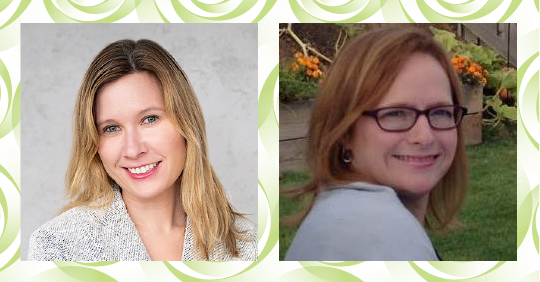
Left: Mary-Rain O’Meara. Right: Terri Silvis.
Our board became even more awesome.
Mary-Rain O’Meara oversees real estate and development at Central City Concern, the Portland agency that helps people end or avoid homelessness with housing, healthcare, and jobs. Terri Silvis is CEO of Horizon Project Inc., which serves working families and adults with intellectual and developmental disabilities in Umatilla County. Both represent organizations that provide direct services to vulnerable community members in Oregon, and now they are bringing their experience to HDC’s volunteer board. We’re grateful that these two leaders—and all nine of our board members—commit their time, talent, and general brilliance to HDC!
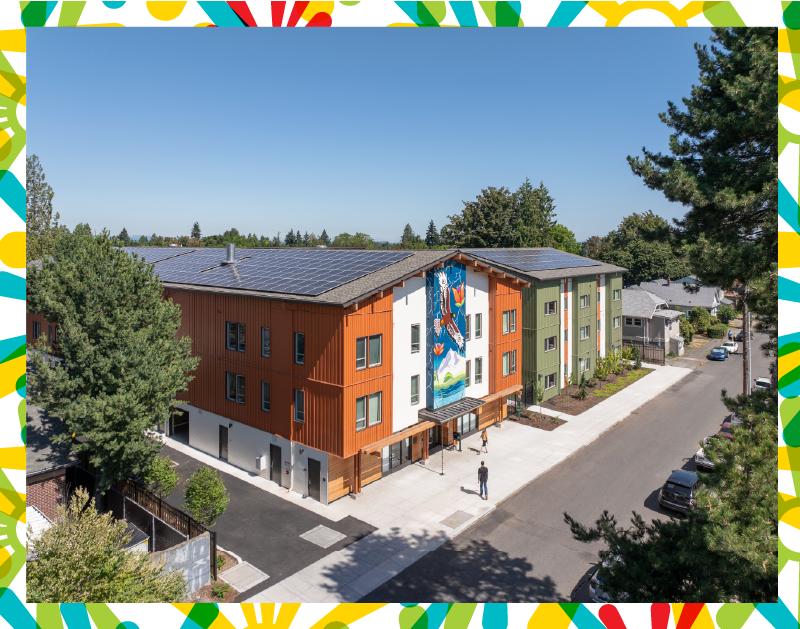
NAYA’s Tistilal Village. Photo by Josh Partee.
Our project partners met audacious learning goals—and pushed us to do things differently.
When NAYA launched the Tistilal Village project, they approached it as an opportunity to build their internal development capacity. HDC joined the project team in 2020, but not in our usual role. Instead, NAYA staff took the lead on daily project management decisions, while we provided a mix of customized services with a focus on finance management. The beautiful North Portland housing community, designed specifically for Native American families, celebrated its grand opening in June. We’re grateful that our partnership with NAYA resulted in something else, too: enhanced knowledge and skills that each partner will bring to our next projects.
Oregon jurisdictions are more prepared to protect the housing they helped fund.
When public agencies help finance affordable housing, they sign on to a big, decades-long job: monitoring each property's health and performance to ensure it fulfills taxpayer-funded mandates. HDC’s asset management team worked with three large public agencies—Metro, Oregon Housing and Community Services, and the Portland Housing Bureau—to build their housing teams’ capacities to oversee funding portfolios that collectively comprise thousands of homes. From analyzing reporting data to training housing teams on asset management principles and best practices, we’re grateful that this work is helping public agencies access usable information, catch potential problems early, and gain valuable policy insights.
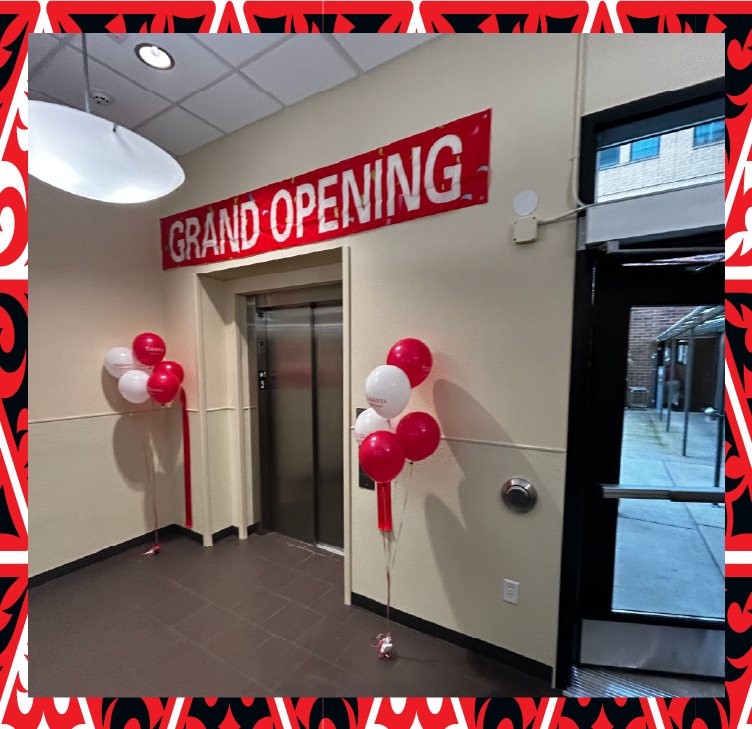
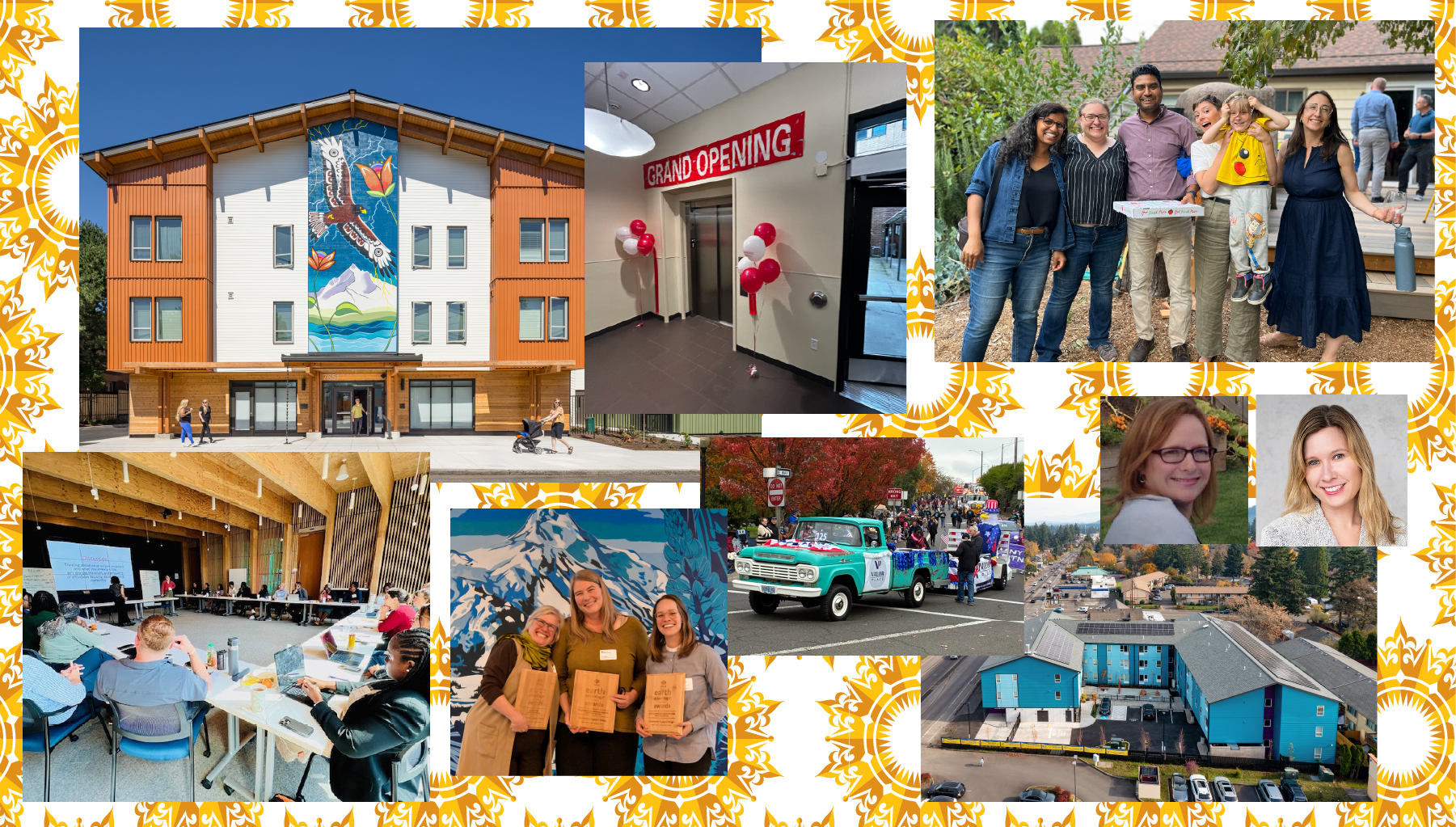
The grand opening of Macdonald Residence’s new elevator.
We assisted 17 organizations with development projects in communities from Newport to Albany.
We’re grateful for each of our development partners and what you do. We’ll shout out three projects of note.
Small in scope/mighty in impact: In Portland’s Old Town, Maybelle Center operates an assisted living facility that specializes in serving people with complex medical and mental health issues who are transitioning from long-term homelessness. The Macdonald Residence renovation ensures that residents have adequate elevator service and building security.
Most cylindrical: Smith Tower is Vancouver’s tallest building, its footprint is round, and its 170 pie-slice-shaped apartments provide deeply affordable homes for seniors. We continued working with owner Mid-Columbia Manor to renovate and preserve this 60-year-old community asset.
Peerlessly peer-supported: Recently renamed, The Peer Company specializes in training and coordinating people with lived experience of addiction and mental health issues to walk alongside those in recovery and help them to meet their goals. In East Portland, Alyssa Daye Gardens will provide 38 new permanent supportive housing units designed for previously homeless families affected by mental health and/or substance abuse disorders.
Our legislative leaders acted quickly and decisively to stabilize existing affordable homes.
Advocates explained the problem: Affordable housing properties are facing an unprecedentedly challenging operating environment, and they are not financially structured to adjust. Many need capital reinvestments to avert financial failure. Our elected representatives listened, authorizing $38 million in spending for emergency property stabilization in the current biennium. We’re grateful that they made these funds available to maintain the long-term viability of Oregon’s affordable housing assets and to keep vulnerable residents in their homes. To date, HDC has partnered with clients to bring $6 million to revitalize affordable homes, so they can serve residents for years to come.
Hundreds of homes are getting built and preserved with loans from HDC Community Fund.
HDC’s affiliated certified community development financial institution (CDFI) is on track to close $2.5 million in predevelopment loans in 2025. The funds will support the preservation or new construction of housing communities in Vancouver (Mid-Columbia Manor’s Smith Tower project), Gold Beach (Coos-Curry Housing Authority’s Ellensburg Road project), and Woodburn (Marion County Housing Authority’s Farmdale project). We are grateful to partner with each of these project sponsors—and we couldn’t do it without the fund’s low-interest lenders: Oregon Community Foundation, Religious Communities Impact Fund, Sisters of the Holy Names of Jesus and Mary, the Seton Enablement Fund of the Sisters of Charity of Cincinnati, Mercy Investment Services, the Sinsinawa Dominicans, and the U.S. Department of the Treasury.
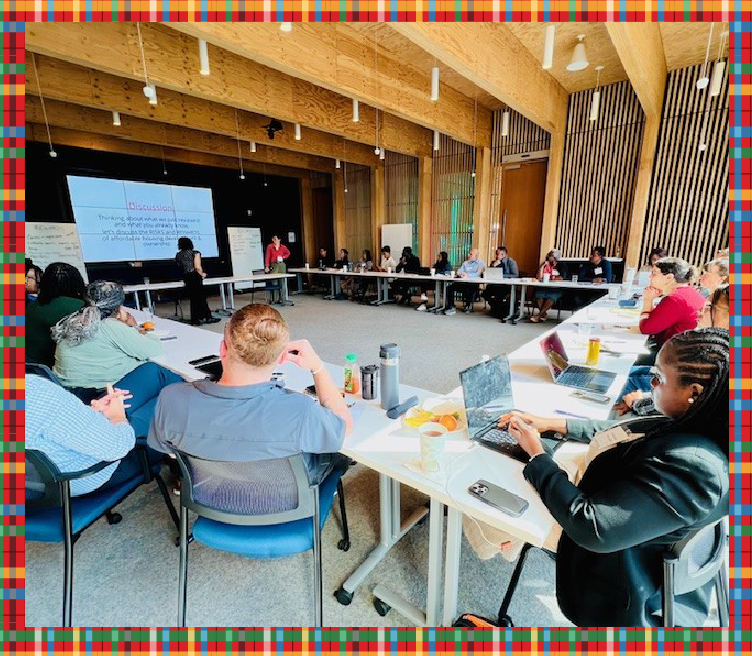
The 2026 HECBS cohort met at Meyer Memorial Trust headquarters in September.
Seven culturally specific organizations are growing their knowledge of multifamily housing ownership—together.
Participants in the 2026 cohort of the HECBS (Housing Equity Capacity Building Strategy) training program have a common purpose: to build asset management capacity and support each other as new or continuing multifamily housing owners. The 18-month training program, facilitated by HDC and co-sponsored by Meyer Memorial Trust and OHCS, is designed to give organizations essential knowledge and tools, while they build relationships with peers who are working toward similar goals. Our asset management training team is grateful to be working with new and old partners that are forging bold housing visions: Urban League of Portland, Centro Cultural, Immigrant and Refugee Community Organization (IRCO), Self Enhancement, Inc. (SEI), APANO, Center for African Immigrants and Refugees Organization (CAIRO), and Albina Vision Trust.

Left: Maryam Ashaiji Hill. Right: Holly Benelli.
We grew our asset management dream team—again.
Last December, we reported that our asset management team was big enough to play foursquare for the first time in its history. Today, it's big enough to play basketball—signaling a continued rise in demand for asset management services in an increasingly challenging operating environment. Joining us in June, Maryam Alshaiji Hill dove into her role supporting the whole team and managing claims processing for the RLRA Risk Mitigation Program and the Portland Risk Mitigation Pool. A few months later, Holly Benelli brought her broad-based experience and owner’s perspective to her role as an asset management consultant and trainer. We’re grateful that Maryam, Holly, and the whole five-person crew are using their mighty talents to help owners and funders address tough asset management issues—and to help development teams prevent problems before they start.
Our community pulled together in a difficult period.
Conditions for the affordable housing industry were challenging, even chaotic, in 2025. But the people and organizations that make up this community of practice came together to support each other and seek creative solutions. Broad partner coalitions united behind needed policy interventions, while the Housing Oregon and Housing Washington conferences offered once-a-year opportunities to congregate, appreciate each other, and get inspired. We’re grateful that on a day-to-day basis, we tended to relationships, strengthened our peer networks, and built alliances to support our collective mission.
A program that lowers housing barriers for people exiting homelessness saw a surge in new users.
The RLRA Risk Mitigation Program encourages landlords in Clackamas, Washington, and Multnomah counties to rent to people exiting homelessness. It does this by pairing rent assistance with risk mitigation: access to financial reimbursement for losses from tenant-caused property damage or nonpayment of rent. HDC helped the three counties launch the program, in 2023, and we continue to process landlord reimbursement claims and to support ongoing outreach efforts. We’re grateful that a sharp rise in new users this year (a total of 206 claims processed!) indicates that the program is working as intended, making it easier for landlords to rent to people with unstable housing histories—through shared risk.
Cameron makes really good pizza.
It happens too rarely: gathering our whole team and family members together in person just to enjoy each other’s company. It’s all the more special when it happens in asset management team member Liz Winchester’s backyard. Because her backyard is lovely, it has a wood-fired pizza oven, and her partner, Cameron, is a masterful pizza chef. Sharing stories, laughs, and slices of chewy sourdough mounded with the fresh bounty of summer in Liz, Cameron, and their son Simon’s backyard has become a somewhat-annual tradition. We’re grateful for it, because it’s kind of the best.
Happy holidays and a joyous new year from the team at HDC!